
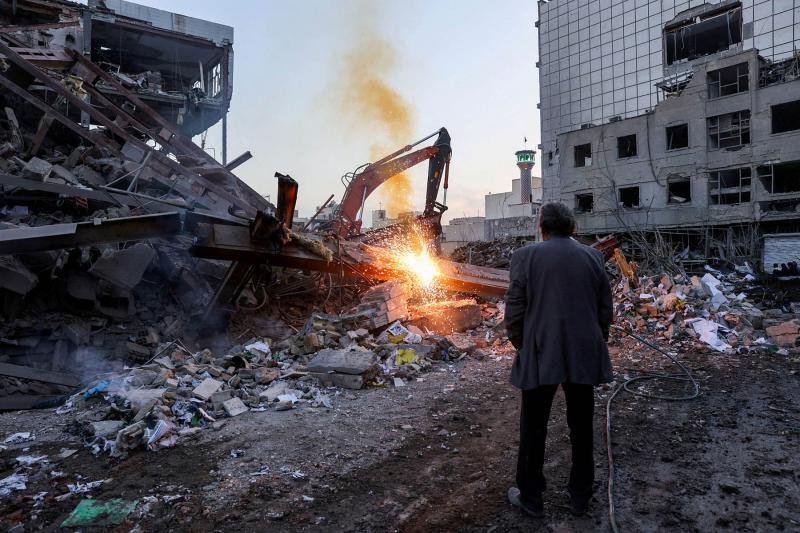
The ongoing Iran war in 2026 has rapidly escalated into one of the most dangerous geopolitical conflicts in recent history. What began as targeted military strikes has now expanded into a broader regional crisis involving multiple countries, critical energy infrastructure, and global economic consequences.
How the War Started
The conflict intensified on February 28, 2026, when the United States and Israel launched coordinated strikes on Iranian military and strategic sites after diplomatic talks collapsed. In response, Iran initiated missile and drone attacks targeting U.S. bases, Israeli territory, and allied nations across the Middle East. ()
Since then, the war has spread beyond direct confrontation, affecting countries like Bahrain, Jordan, and Gulf states hosting key military and energy infrastructure.
Major Escalations in March 2026
Recent developments have significantly increased tensions:
-
Israel carried out strikes on Iran’s South Pars gas field, the world’s largest natural gas reserve. ()
-
Iran retaliated by launching missile attacks on major energy facilities in Qatar, including the Ras Laffan industrial complex. ()
-
Gulf countries, including the UAE and Saudi Arabia, have reported damage to oil and gas infrastructure. ()
-
A projectile strike near Iran’s Bushehr nuclear plant has raised fears of a potential nuclear crisis. ()
These actions mark a shift from military targets to economic and energy warfare, increasing the global stakes.
Human Cost of the Conflict
The war has already resulted in significant civilian casualties and displacement:
-
A missile strike on a school in southern Iran killed over 170 people, most of them children. ()
-
Thousands have been injured or displaced across Iran, Israel, and neighboring regions.
-
Urban infrastructure, including bridges and residential areas, has been heavily damaged. ()
The humanitarian situation continues to worsen as the conflict spreads.
Global Economic Impact
One of the most critical consequences of the war is its effect on global energy markets:
-
Oil prices have surged above $110 per barrel amid supply fears. ()
-
The Strait of Hormuz, a vital global oil route, has seen severe disruptions, impacting nearly 20% of the world’s oil supply. ()
-
LNG and gas supplies from the Gulf region have been significantly affected.
These disruptions have triggered inflation concerns and economic uncertainty worldwide.
Regional and Global Reactions
Countries around the world have reacted with concern:
-
Gulf nations have condemned attacks on their sovereignty and infrastructure. ()
-
The United States has warned of further military action if escalation continues. ()
-
International organizations have called for restraint, especially after the nuclear facility incident. ()
Meanwhile, global powers like Russia and China are closely monitoring the situation, raising fears of a broader international conflict.
Risk of a Wider War
Experts warn that the conflict could expand into a full-scale regional war due to:
-
Continued missile exchanges between Iran and Israel
-
Attacks on international shipping routes
-
Involvement of additional countries and proxy groups
The threat to the Strait of Hormuz alone has the potential to disrupt global trade on an unprecedented scale.
Conclusion
The Iran war in 2026 is no longer a localized conflict—it is a global crisis with far-reaching consequences. From rising oil prices to humanitarian tragedies and nuclear fears, the situation continues to evolve rapidly.
The coming weeks will be crucial in determining whether diplomatic efforts can de-escalate tensions or if the world is heading toward a larger and more devastating conflict.


